
For many people, independence shows up in small, ordinary ways. Getting to the mailbox without thinking twice about footing. Moving through the house without holding onto furniture. Saying yes to a quick trip out instead of weighing the effort it might take.
When mobility begins to change, those decisions can become more deliberate. What used to feel automatic may start to require planning, caution, or help from someone else.
July, recognized as Disability Pride Month, offers a different framing. Mobility changes aren’t something to hide or “push through.” They’re a signal to adapt in ways that support autonomy, confidence, and safety over time.
Mobility equipment plays a central role in that shift, not by limiting independence, but by helping extend it.
Quick Navigation
- Independence is not all-or-nothing
- How mobility equipment supports safer independence
- Choosing equipment for real-life needs
- How to start the conversation about mobility
- Signs it may be time to act
- Why independence can look different
- Supporting independence over time
- FAQs about mobility equipment and independence
Independence Isn’t All-or-Nothing
One of the most common concerns around mobility equipment is what it represents. Many people hesitate because they wonder:
“If I start using something, does that mean I’m giving something up?”
In practice, it is often the opposite. Mobility equipment can fill the gap between what feels difficult and what is still possible. It can help people continue doing the things that matter, such as moving safely at home, getting out into the community, attending appointments, and staying engaged in daily life.
Assistive devices are designed to support everyday activities, reduce unnecessary strain, and improve confidence when navigating familiar and unfamiliar environments. For many people, the right mobility equipment can make the difference between scaling activities back and maintaining them.
Independence does not disappear all at once. It shifts. The point is to support that shift in a way that keeps control in the hands of the person using the equipment.
Related Reading: Choosing the Right Mobility Aid: Wheelchairs, Walkers, and What Really Matters
How Mobility Equipment Supports Safer, Longer Independence
Mobility equipment is not one-size-fits-all, and it does not need to be introduced all at once. Even small changes can improve stability, reduce risk, and make daily movement feel more manageable.
Stability and Fall Prevention
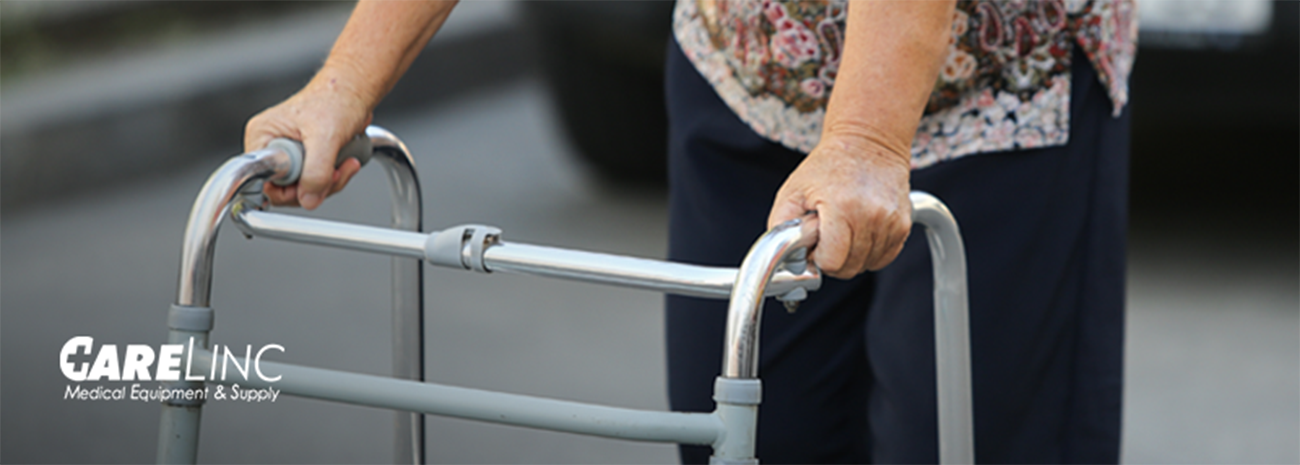
The risk of falling can increase with changes in balance, strength, coordination, vision, or endurance. Devices like canes, walkers, and rollators provide added support, helping users move with more confidence.
Even light support can make everyday tasks, like walking across a room, getting to the bathroom, or stepping outside, feel more manageable.
Reduced Physical Strain
Mobility equipment can help redistribute effort across the body. A cane may reduce pressure on one side. A walker can provide steadier support. A power wheelchair or scooter can help conserve energy for longer outings.
That reduction in strain can make daily routines feel less exhausting.
Continued Participation in Daily Life
Mobility is directly linked to independence outside the home. Whether it’s errands, appointments, family events, or social activities, the ability to move safely affects how often people stay engaged.
The right device can expand those opportunities, not just maintain them.
Confidence and Control
There is also an emotional side to mobility support. When movement feels uncertain, people often start avoiding activities.
The right equipment can restore a sense of control, making it easier to move without hesitation.
Explore CareLinc Mobility Services
Choosing Equipment That Matches Real-Life Needs
Mobility support works best when it reflects how someone actually lives day to day, not just what they can do on a good day.
That might look like:
- A cane for occasional balance support
- A walker or rollator for more consistent stability
- A manual or power wheelchair for longer distances or energy conservation
- A mobility scooter for community use and outdoor independence
- A custom mobility solution for more complex positioning, comfort, or access needs
Each option supports a different level of mobility and a different type of routine. What matters most is fit: physical, environmental, and lifestyle.
A device that works well inside the home may not be ideal outdoors. A solution that feels manageable on a good day should still be comfortable on a more tiring day. Matching equipment to real patterns helps avoid frustration later.
CareLinc Medical Equipment & Supply offers a range of home medical equipment, including manual and power mobility equipment, power scooters, power wheelchairs, NOVA products, vehicle lifts, and home accessibility solutions.
Starting the Conversation
For many families, the hardest part is not choosing the right mobility equipment. It is the part that comes before that: having the conversation.
Mobility changes can feel personal. They are tied to identity, independence, and how someone sees themselves. That is why the approach matters just as much as the recommendation.
Shift the Focus from “Need” to “Support”
Saying “You need a walker, cane, or crutches” can lead to resistance. It may feel directive, even if it comes from a place of genuine concern.
A more effective approach is observational and open-ended:
- “I’ve noticed the stairs seem a little harder lately.”
- “How are you feeling when you’re getting around the house?”
- “Would it help to look at options that make longer outings easier?”
- “What would make you feel safer or more comfortable?”
This invites participation rather than pushing a decision.
Frame Equipment as a Way of Staying Independent
The idea that mobility equipment takes away independence is one of the biggest barriers.
Reframing the conversation can help:
- Focus on staying active, not slowing down
- Emphasize safety and confidence, not limitation
- Position equipment as a choice that keeps routines intact
- Talk about what the person wants to keep doing, not just what has become harder
When the goal is clearly about maintaining independence, equipment starts to feel more like a tool than a tradeoff.
Use Real Moments, Not Hypotheticals
Broad concerns can feel abstract. Specific examples are easier to connect to:
- A recent near-fall
- Avoiding a favorite activity
- Taking longer routes to avoid stairs
- Needing more help with errands or appointments
- Feeling tired after shorter distances than before
These moments create context for why support could help now rather than later.
Take a Step-by-Step Approach
This does not need to be one conversation. In most cases, it should not be.
Introduce the idea gradually:
- Start with a general discussion about safety
- Walk through the home together to identify problem areas
- Explore options casually, without pressure
- Ask what would feel helpful
- Revisit the conversation over time
Mobility decisions are easier to make when they feel collaborative.
Bring in a Third-Party Perspective When Needed
In some cases, it helps to involve a professional: someone who can assess needs objectively and recommend options without the emotional weight of a family dynamic.
A mobility specialist, therapist, or provider can help translate observations into practical choices. Reach out to your local CareLinc team to help start the conversation.
Find a CareLinc Location Near You
Recognizing the Right Time to Act
There usually is not one clear moment when mobility equipment becomes necessary. More often, there are patterns.
Some early signs include:
- Holding onto furniture for balance
- Fatigue during short walks
- Avoiding certain rooms or activities
- Hesitation on stairs or uneven surfaces
- Increased reliance on others for simple tasks
- Fear of falling or avoiding outings because of safety concerns
- Needing more rest after routine movement
Addressing these signs early allows for gradual adjustments rather than reactive ones after an injury or fall. That gradual approach can help preserve both physical safety and a sense of autonomy.
Related Reading: Staying Active Safely with Mobility Equipment
Independence Looks Different and That’s the Point
Disability Pride Month is a reminder that independence does not have one definition. For some, it means moving safely around the house without assistance. For others, it means getting out into the community with confidence. For many, it means finding the right balance between support and self-sufficiency.
Mobility equipment does not take away independence. It gives people more ways to define it on their own terms.
The right support can make daily life feel less restricted, not more.
Supporting Independence Over Time
Mobility changes are part of how many people’s lives evolve with age, injury, disability, or health conditions. The goal is to respond in a way that keeps independence, comfort, and confidence intact for as long as possible.
It starts with noticing small shifts, having thoughtful conversations, and choosing equipment that fits real needs
If you’re exploring mobility options or starting a conversation with a loved one, the team at CareLinc Medical Equipment & Supply can help you understand what is available and what may work best for your situation.
Talk to CareLinc About Mobility Options
FAQs About Mobility Equipment and Independent Living
Does using mobility equipment mean losing independence?
No. Mobility equipment is designed to support independence by making movement safer, more reliable, and less physically demanding.
What types of mobility equipment are available?
Options may include canes, walkers, rollators, manual wheelchairs, power wheelchairs, mobility scooters, ramps, vehicle lifts, platform lifts, and home accessibility solutions. The right choice depends on the person’s balance, strength, endurance, environment, and daily routine.
When should someone consider using a mobility aid?
It may be time to consider a mobility aid when movement feels uncertain, tiring, painful, or limited, or when safety becomes a concern.
How do I talk to a parent about mobility changes?
Start with observations, ask open-ended questions, and frame the conversation around maintaining independence rather than limiting it. Focus on daily routines and what they want to keep doing.
What if my parent resists the idea?
Resistance is common and understandable. Keep the conversation gradual, focus on safety and comfort, and revisit the topic over time rather than forcing a decision.
Can mobility equipment help prevent falls?
The right mobility equipment can improve stability and make movement more predictable, which may help reduce fall risk when the device is properly matched, fitted, and used.
Who can help choose the right mobility equipment?
A healthcare provider, therapist, mobility specialist, or medical equipment provider can help evaluate needs and recommend options that fit the person’s body, home, and routine.
July 1, 2026 by CareLinc Medical Equipment & Supply