
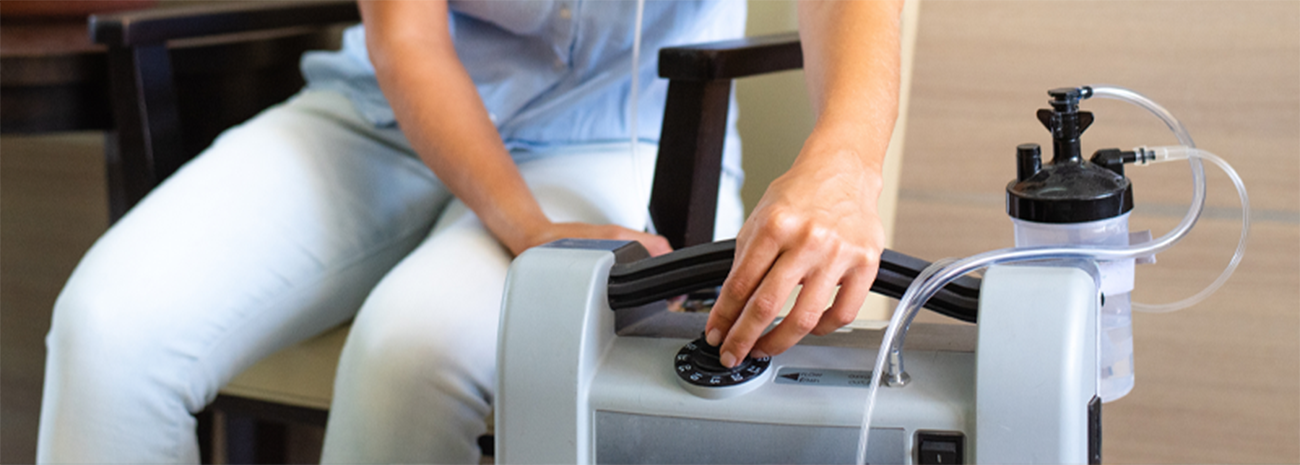
Medical equipment plays a quiet, but critical, role in daily care. When everything is working properly, it fades into the background. When something isn’t right, the signs are often subtle at first: a new sound, a slight change in comfort, a routine that suddenly feels harder than it used to. Catching those early warning signs can prevent safety concerns, interruptions in care, and unnecessary stress for both caregivers and the people they support.
In recognition of National Public Health Week (April 6–12), this guide focuses on prevention. With a few simple habits and a better understanding of what to watch for, caregivers can feel more confident in identifying equipment issues early and in knowing what to do when something seems off.
Why Early Detection Matters
Medical equipment is designed to support health, safety, and independence. When a device isn’t functioning as intended, it can quietly undermine all three.
A CPAP mask that no longer seals properly can reduce the effectiveness of therapy over time. A walker with worn grips can increase fall risk. A hospital bed that doesn’t adjust smoothly can make transfers more difficult and less safe for everyone involved.
In most cases, these issues don’t just appear out of nowhere. They develop slowly over time, and caregivers are often the first to notice when something has changed.
Build a Simple Daily Awareness Routine
You don’t need technical training to spot early equipment issues. A brief daily check — especially for devices used frequently — can make a meaningful difference. Over time, caregivers develop a sense for how equipment should look, sound, and feel. When something deviates from that baseline, it’s worth paying attention.
Early changes often show up as:
- New sounds, such as rattling, hissing, or grinding, that weren’t present before
- Movement that feels stiff, uneven, or less responsive
- Straps, supports, or cushions that no longer fit comfortably
- Equipment performance that seems less steady than last week or last month
You don’t need to try and diagnose the source of the issue; these observations are powerful on their own. Noticing what changed and when provides valuable context when it’s time to ask for help.
Common Red Flags by Equipment Type
CPAP and Sleep Therapy Equipment
With CPAP therapy, issues often appear as comfort problems before the equipment fails outright. A mask that shifts more during the night, new skin irritation, or airflow that sounds or feels different can all point to worn components or fit issues. If the person using CPAP is waking up more tired than usual despite consistent use, it’s often a sign that something in the setup needs attention.
Many CPAP concerns are related to normal wear and tear of masks, cushions, and tubing rather than the machine itself, which makes early replacement especially important.
Reorder Your CPAP Supplies Today
Mobility Equipment
Mobility equipment experiences daily stress, and even small changes can affect safety. Over time, caregivers may notice that a walker doesn’t feel as stable as it once did, a wheelchair pulls slightly to one side, or brakes don’t engage as quickly. Hand grips can loosen, wheels can wear unevenly, and frames can take damage that isn’t immediately obvious.
If the person using the device appears more hesitant, fatigued, or unsteady, the equipment itself may be contributing to the change.
Need Help Finding the Right Mobility Equipment? Contact CareLinc
Hospital Beds and Transfer Equipment
Beds, lifts, and transfer aids should operate smoothly and predictably. When adjustments become jerky, delayed, or inconsistent, it can increase physical strain and make routine care more difficult. Controls that work intermittently or cords that show visible wear are also worth addressing sooner rather than later.
Even minor mechanical issues can complicate transfers, especially for caregivers assisting multiple times a day.
Contact CareLinc for Help Assessing Your Equipment
Oxygen Equipment and Respiratory Supplies
For individuals using oxygen, consistency is critical. Small changes in equipment condition can affect comfort and effectiveness, even if the device still appears to be working.
Common early warning signs include:
- Tubing that feels stiff, cracked, or discolored
- Cannulas that no longer sit comfortably or stay in place
- Condensation buildup where it wasn’t present before
- Alarms or indicator lights activating unexpectedly
Any sudden change in breathing comfort should be taken seriously, even if the equipment looks intact at first glance.
Reorder Oxygen Service and Supplies Today
Power Chairs and Scooters: Charging and Plug-In Habits That Prevent Problems
For power chairs and scooters, charging issues are one of the most common — and most preventable — causes of equipment trouble. Small changes in charging habits or setup can lead to reduced battery life, inconsistent performance, or sudden loss of power during use.
Caregivers can help prevent these issues by paying attention to how and where equipment is charged.
Start with the basics:
- Always use the charger that came with the device or one specifically approved for that model
- Plug chargers directly into a wall outlet, not extension cords or power strips
- Make sure the charging port and cable are fully connected before walking away
Charging consistency matters just as much as proper setup. Power chairs and scooters should be charged regularly, even if they weren’t used heavily that day. Allowing batteries to drain completely or skipping charging cycles can shorten battery life over time.
It’s also important to pay attention to the charging environment. Devices should be charged in a dry, well‑ventilated area, away from extreme heat or cold. Chargers that feel unusually warm, lights that don’t turn on as expected, or batteries that no longer seem to hold a charge are early signs that something may be wrong.
If a device takes significantly longer to charge, loses power more quickly than it used to, or shuts down unexpectedly, it’s best to stop using it and contact your equipment provider. Battery issues often worsen gradually, and addressing them early can help avoid sudden breakdowns or unsafe situations.
For more battery charging tips, see our helpful guidelines.
Don’t Overlook Behavioral Clues
Sometimes the most noticeable sign of an equipment issue isn’t the device, but rather the person using it. Caregivers are often the first to notice when someone starts avoiding equipment, asking to remove it more often, or expressing new frustration with setup or comfort. Changes in sleep quality, mobility, or daily routine can also point to equipment that isn’t working as intended.
When something feels “off,” it usually is. Trust your gut and contact an equipment specialist near you today. Our team at CareLinc can help, simply stop by one of our locations or contact us online for assistance.
What to Do When You Notice a Problem
Noticing a potential issue doesn’t mean you need to fix it yourself. In fact, avoiding makeshift solutions is often the safest approach. When something seems off, a simple, measured response works best.
Start by:
- Taking note of what’s different and when the change began
- Checking for obvious issues like loose connections or visible wear
- Avoiding temporary fixes that could create safety risks
- Reaching out to your equipment provider with clear observations
Sharing specific details helps equipment specialists respond more efficiently and recommend the right next steps.
Keep Maintenance in Mind
Preventive care is less about reacting to problems and more about preventing them in the first place. Following recommended replacement schedules, keeping equipment clean and dry, storing devices properly, and asking questions during setup all help maintain performance and safety over time.
These small habits support both the effectiveness of the equipment and the comfort of the person relying on it.
Caregivers Support Public Health Every Day
Public health doesn’t stop at the clinic door. It continues at home, where caregivers help maintain safe, functional care environments. By noticing small changes early and taking action when something doesn’t seem right, caregivers help prevent complications that can affect overall health and quality of life.
CareLinc is here to support you in this important role. If you have questions about medical equipment performance, fit, or maintenance, the CareLinc team is available to help you understand what you’re noticing and what steps to take next. A quick conversation can provide clarity and peace of mind — before a small issue becomes a larger one.
April 1, 2026 by CareLinc Medical Equipment & Supply