
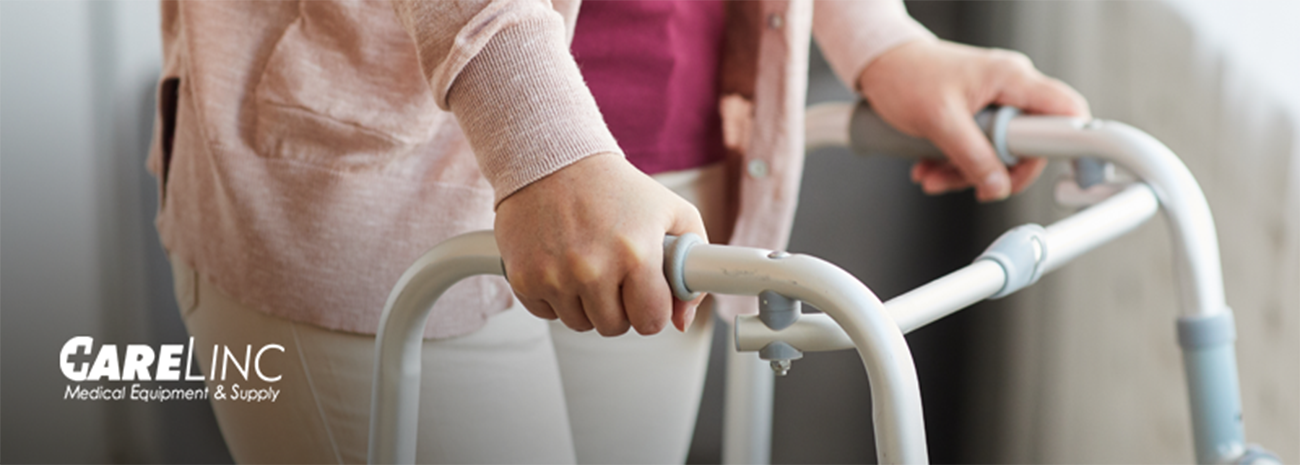
When daily movement becomes difficult, even simple tasks like getting from the bedroom to the kitchen, stepping off a curb, or visiting the store can start to feel overwhelming. The right mobility aid can restore confidence, reduce fall risk, and help you or your loved ones stay engaged in the routines and relationships that matter most. But with so many options available, it’s not always clear which device is the best fit.
This guide breaks down the key differences between common mobility aids, offers practical questions to consider, and highlights what truly matters when choosing supportive equipment for yourself or someone you care for.
Understanding Your Mobility Needs
Before comparing specific products, it’s important to understand how and why mobility is challenging. Most people fall into one of three general categories:
1. Balance Challenges
This can include:
- Feeling unsteady when standing or turning
- Difficulty walking long distances
- A history of near‑falls or actual falls
2. Strength Limitations
These challenges often appear as:
- Leg weakness
- Fatigue during everyday walking
- Difficulty rising from a seated position
3. Endurance or Pain‑Related Limitations
This may include:
- Conditions like arthritis, COPD, heart disease, or chronic pain
- Trouble walking more than short distances without rest
Understanding the root issue helps guide the device selection process and ensures your equipment supports daily movement — not complicate it further.
CANES: LIGHT SUPPORT FOR BALANCE AND CONFIDENCE
For many people, a cane is the first step in mobility support. It can improve balance, reduce strain on a painful joint, and add confidence when walking. There are three main types:
- Single-point canes: Offer the least support and work well for mild balance issues or joint pain on one side.
- Offset canes: Provide slightly more stability by distributing weight more evenly through the shaft.
- Quad canes: Feature a wider base with four small feet and offer the most support of the three, providing a good option for moderate balance concerns or mild one-sided weakness.
When a Cane May No Longer Be Enough
A cane works well when support is needed on one side. However, it may not be appropriate if:
- Both legs feel weak or unstable
- You or your loved one needs significant weight-bearing support
- There is frequent loss of balance
- Fear of falling is limiting activity
Canes are best when support is only needed on one side. If both legs feel weak, balance becomes unpredictable, or more weight-bearing support is required, it may be time to consider a walker.
Walkers: Stability for Everyday Movement
Walkers are often the first step when someone begins needing mobility support. They provide structure, balance assistance, and a steady frame to lean on.
Standard Walkers
Best for:
- Significant balance concerns
- Post-surgery support
- Environments where stability is more important than speed
Note: They require lifting with each step, which can be tiring over time.
Two-Wheeled Walkers
Best for:
- People who need stability but can’t lift a full walker repeatedly
- Those transitioning from a standard walker
The wheels in front help maintain forward movement without sacrificing control.
Rollators (Four-Wheel Walkers)
Benefits include:
- A built-in seat for rest breaks
- Hand brakes for controlled walking
- Smooth maneuvering on various surfaces
Rollators work well for individuals who are mobile but need help with endurance, balance, or independence outside the home. However, they offer less stability than traditional walkers and require sufficient grip strength to operate the brakes safely.
Wheelchairs: When Walking Becomes Too Painful or Unsafe
For some people, even walking with assistance has become too difficult to do consistently — or even at all for some. A wheelchair can significantly improve independence while reducing strain or risk.
Transport Chairs
Designed to be pushed by a caregiver
- Lightweight
- Compact for travel
- Ideal for short outings or medical appointments
Note: Transport chairs are not intended for self-propelling.
Manual Wheelchairs
Suitable for:
- People who can self‑propel
- Those who need longer-term mobility support
Features vary by:
- Seat width and depth
- Weight capacity
- Wheel type and hand rims
- Cushioning for pressure relief
A properly fitted chair is essential for posture, comfort, and safety.
Power Wheelchairs
Best for individuals who:
- Cannot self‑propel a manual chair
- Require significant support for day-to-day mobility
- Have upper‑body weakness, limited endurance, or complex medical needs
Power chairs offer customizable seating, joystick control options, and advanced stability features. They can dramatically expand independence for the right user.
How to Choose: Factors That Really Matter
Selecting a mobility aid isn’t only about the device itself; it’s about making sure it matches the user’s life.
Home Environment
Ask:
- Are hallways narrow?
- Are there rugs, steps, or tight turns?
- Is the home single‑level or multi‑level?
A rollator might be perfect outdoors but too wide for a hallway at home.
Lifestyle and Daily Activities
Consider:
- How far the user typically travels each day
- Whether they enjoy community activities or outdoor walks
- Whether they often need to sit and rest
- How often a caregiver is present
For example, someone who shops frequently may value a rollator’s seat and storage, while someone who rarely leaves the home may need the stability of a standard walker.
Strength and Balance
Look at:
- Hand strength for brakes
- Ability to sit and stand safely
- Endurance and stability over short distances
A physical therapist’s evaluation can provide helpful insights here.
Transport and Storage
Think about:
- Will the device need to fit in a car?
- Can the user lift or fold it?
- Does the aid need to travel frequently?
Remember, mobility devices should support — not limit — daily life.
Practical Examples to Guide Your Decision
- If someone tires easily but still walks steadily: A rollator offers support and convenient resting options.
- If standing balance is the primary issue: A standard or two-wheeled walker may be the safer choice.
- If walking more than a few steps is painful: A wheelchair — manual or powered — may provide greater comfort and independence.
- If a caregiver regularly assists with outings: A transport chair may be the easiest for both parties.
Getting a Proper Fit Matters
A mobility aid should feel supportive, not awkward or cumbersome. That’s why a proper fit is so important to daily use. Proper fit includes:
- Correct handle height
- Appropriate seat width
- Cushioning to reduce pressure points
- Brakes and grips that feel secure
Professionals at CareLinc can help ensure every device is adjusted to the user’s needs, improving comfort and long‑term safety.
A Partner in Your Mobility Journey
Choosing the right mobility aid can feel overwhelming, but you don’t have to make the decision alone. With the right guidance and properly fitted equipment, mobility challenges don’t have to limit independence or quality of life.
If you or someone you care for is ready to explore mobility options, CareLinc’s team is here to help you find the support that feels right, one step, wheel, or stride at a time.
March 2, 2026 by CareLinc Medical Equipment & Supply