
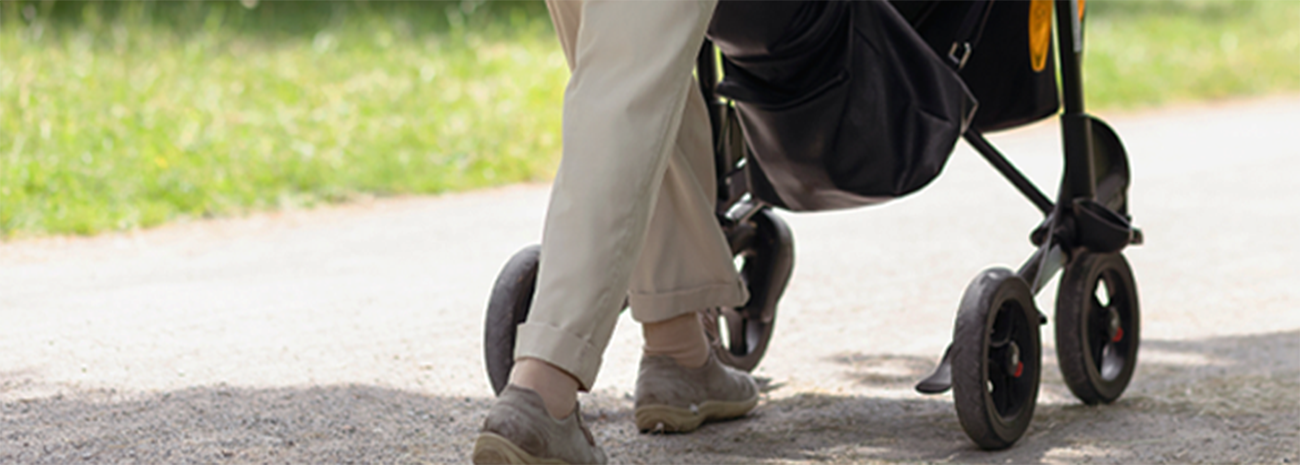
Getting used to a mobility aid can feel like a big adjustment. Even if the equipment is helping you move more safely, it’s normal to wonder what activity looks like now and how to stay moving without pushing too hard or risking a fall.
That’s especially timely in May, National Mobility Awareness Month, which shines a light on access, independence, and the everyday tools that help people stay engaged in their lives. Powered mobility equipment isn’t about slowing down. It’s about finding steadier, safer ways to keep doing the things you love. The things that matter to you.
If you’re new to a cane, walker, wheelchair, or scooter, these practical tips can help you stay active while protecting both your safety and confidence.
Start with Equipment That Actually Fits You
One of the most common challenges people face with mobility equipment has nothing to do with strength or motivation, it comes down to how the equipment fits. Equipment that isn’t properly adjusted can make movement harder, and more unsafe, than it needs to be.
A walker that’s too low can strain your shoulders. A cane that’s too tall can throw off your balance. Even small setup issues can quietly increase fall risk.
A quick self‑check:
- When you’re standing naturally, hand grips should sit around wrist height
- Brakes should engage fully and easily
- Nothing should wobble, drag, or feel awkward
If something feels off, trust that instinct. Comfort and stability should feel natural, not forced.
If you’re unsure whether your equipment is set up correctly, the CareLinc team can walk you through available mobility aids and help make sure your device fits your height, movement needs, and daily routine. Even a small adjustment can make everyday movement feel noticeably easier.
Let Activity Happen Naturally
Staying active doesn’t require a formal exercise plan. In many cases, the safest movement comes from everyday tasks you’re already doing. That might look like:
- Taking short walks through your home with a walker or rollator
- Standing at the counter to prepare a meal, using it for light support
- Using a mobility scooter so you can stay involved in errands, events, or family outings without overexertion
The goal isn’t distance or speed, it’s consistency. Regular, gentle movement supports circulation, joint health, and balance over time.
Watch Your Environment
Even the best-fitting mobility equipment can’t make up for unsafe surroundings. Many falls happen because of environmental hazards, not because someone used their equipment incorrectly.
A few things to keep in mind:
- Clear pathways of clutter, cords, and loose items
- Secure or remove throw rugs
- Make sure lighting is bright enough, especially at night
When you’re outdoors, slow down on uneven surfaces like gravel, grass, or wet pavement. Give yourself extra time.
Use the Brakes Every Time
Brakes are easy to overlook, especially when you’re just stopping “for a second.” But they’re one of the most important safety features on walkers, rollators, and wheelchairs.
Always set the brakes:
- Before sitting down or standing up
- When reaching for something
- When stopped on any kind of slope
If the brakes feel stiff or unreliable, don’t ignore it. They should feel dependable every time you use them.
Dress with Stability in Mind
What you wear can affect how safely you move with mobility equipment. Supportive, closed‑toe shoes with non‑slip soles provide better traction and stability. Clothing that’s too long or loose can catch on frames, wheels, or footrests.
Comfort matters, but stability helps you move with more confidence.
Rest Is Part of Staying Active
Staying active doesn’t mean pushing through fatigue. Knowing when to pause is part of staying safe. Plan breaks into your day. Use seating features when your equipment has them. If something starts to feel unsafe, stop and reassess.
Remember, when you’re learning a new device or navigating a new environment, it’s okay to ask for help. Confidence builds gradually.
Adjust How You Do Things, Not What Matters to You
The ultimate goal with mobility equipment isn’t to take activities away from you, it’s to ensure you can continue to do the things you love safely.
Many people continue to shop, attend events, garden, and travel — just with a little more planning and pacing. Shorter outings, more frequent breaks, or different equipment for different activities can make a meaningful difference.
The focus shifts from doing everything the same way to finding what works now.
Moving Forward, One Steady Step at a Time
National Mobility Awareness Month is a reminder that safe movement looks different for everyone. The right mobility equipment, fitted and used properly, can support independence while helping reduce the risk of falls or injury.
If you’re new to mobility aids or are reconsidering what works best for you, CareLinc is here to help. Our team can answer questions, review mobility aid options, and help you find equipment that supports how you want to move through your day.
Staying active doesn’t require pushing limits. It starts with steady movement, the right support, and solutions you can rely on.
Frequently Asked Questions About Staying Active with Mobility Equipment
Is it safe to stay active when using mobility equipment?
Yes. Gentle, regular movement is often beneficial when mobility equipment is used correctly and safely. Daily activities can support balance, confidence, and overall well‑being.
How do I know if my walker or cane is adjusted correctly?
When standing upright, hand grips should generally align with wrist height, and the equipment should feel stable without forcing your posture. If you’re unsure, a medical equipment provider can help with adjustments.
What should I do if my mobility device doesn’t feel stable?
Stop using it until the issue is addressed. Wobbling, dragging, or unreliable brakes can increase fall risk and should be checked right away.
Can caregivers help someone stay active safely?
Absolutely. Caregivers can help by keeping environments clear, encouraging rest breaks, and supporting proper equipment use without rushing.
When should I consider different mobility equipment?
If your needs change, activity levels increase, or certain tasks feel harder, it may be time to explore different options. A CareLinc team member can help review what works best for your routine.
May 1, 2026 by CareLinc Medical Equipment & Supply