
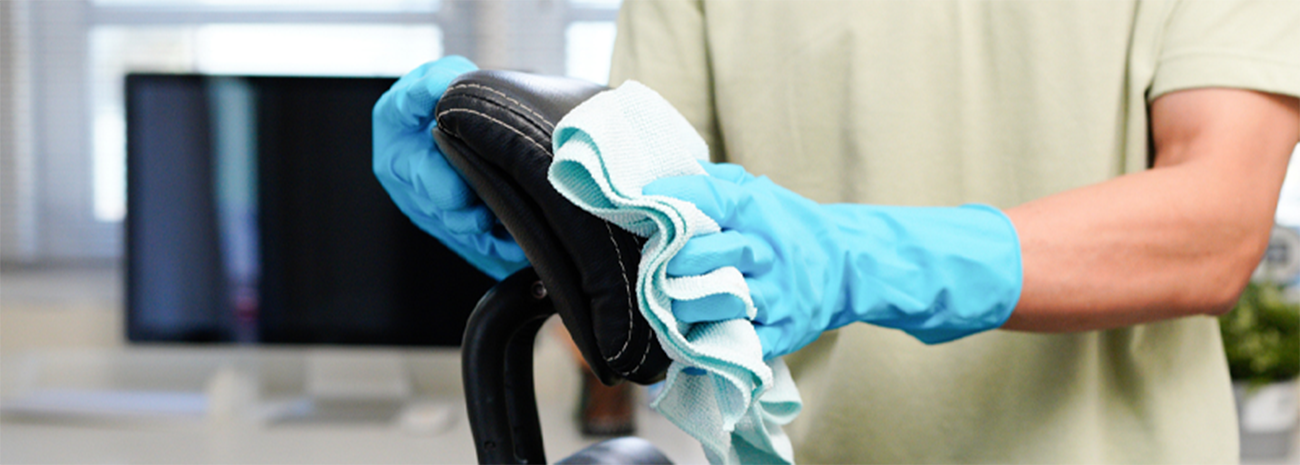
Spring has a way of revealing what’s been quietly collecting dust, wearing down, or getting overlooked. That same reset applies to the medical equipment you rely on every day. As you free your house of the said dust and clutter, check in on that equipment to make sure it’s working the way it should.
Regular maintenance is about keeping equipment working properly, reducing wear, and spotting issues before they affect comfort or safety.
This guide breaks spring medical equipment cleaning into three clear actions: what to sanitize, what to inspect, and what may need replacement. Use it as a quick reference, then lean on manufacturer instructions or your CareLinc team when questions come up.
What to Sanitize: High‑Touch and High‑Moisture Items
Some equipment components come into frequent contact with hands, skin, or moisture. These deserve extra attention.
CPAP and BiLevel Equipment
Sanitize regularly:
- Mask cushions and frames
- Headgear (as recommended by the manufacturer)
- Tubing
- Humidifier chambers
Best practices:
- Wash removable parts with warm water and mild soap
- Rinse thoroughly to remove residue
- Air dry completely before reassembly
- Avoid harsh cleaners, fragrances, or wipes not approved for medical equipment
Moisture and warmth create ideal conditions for buildup (mold, bacteria, etc.) inside tubing and humidifier chambers, making consistent cleaning especially important.
Note: Always follow the manufacturer’s recommendations for cleaning, as some cushions may not be washable.
Nebulizers and Respiratory Accessories
Sanitize regularly:
- Medication cups
- Mouthpieces or masks
- Tubing (if reusable)
Disassemble after each use, wash as directed, and allow parts to dry fully. If components are cloudy, cracked, or discolored after cleaning, replacement may be more appropriate than continued use.
Mobility Aids and Daily‑Use Equipment
Sanitize contact points such as:
- Walker grips
- Wheelchair armrests
- Scooter controls
- Bed rails and over‑bed tables
A damp cloth with mild soap is often sufficient for exterior surfaces. Avoid oversaturating padded areas or electrical components.
What to Inspect: Small Issues That Can Become Big Ones
Spring cleaning is also a good time to slow down and look closely. Many equipment issues show early warning signs before they fail outright.
Tubing, Cords, and Connections
Check for:
- Cracks or stiffness in tubing
- Loose electrical cords
- Fraying or exposed wiring
- Poor connections between components
- Any kinks that may affect oxygen flow
Even minor damage can affect performance or safety, especially with oxygen or respiratory equipment.
Filters and Vents
Filters quietly do their job — until they don’t. Inspect for:
- Dust buildup
- Discoloration
- Reduced airflow
Some filters are washable, while others are designed for single use. Knowing which type you have, and how often it should be changed, helps keep equipment running efficiently.
Moving Parts and Adjustments
For hospital beds, lift chairs, wheelchairs, and scooters:
- Test brakes and locks
- Adjust height and positioning
- Listen for unusual noises during movement
If something feels stiff, unstable, or harder to adjust than before, it’s worth addressing sooner rather than later.
What to Replace: Signs It’s Time
Cleaning and inspection help extend medical equipment life, but no component will last forever. If equipment doesn’t perform as expected after thorough cleaning and inspection, replacement or service may be the safer option. This is especially true for components tied directly to therapy delivery, such as masks, seals, or humidifier chambers.
Common Replacement Items
Many supplies are designed for routine replacement, including:
- CPAP mask cushions and headgear
- CPAP and oxygen tubing
- Disposable or fine filters
- Nebulizer cups and mouthpieces
Over time, materials are bound to lose their shape, elasticity, or clarity. Performance often declines gradually, making changes easy to miss.
Visual and Performance Clues
Replace items if you notice:
- Persistent odors after cleaning
- Cracks, warping, or yellowing
- Reduced comfort or fit
- Leaks or inconsistent airflow
Using worn supplies can make therapy less effective and less comfortable, even if the main device still functions well.
Storage Matters More Than You Think
Where equipment lives between uses plays an important role in its condition. When spring cleaning has you reorganizing closets and storage areas, take a moment to assess your equipment storage habits.
- Store equipment in a clean, dry space.
- Avoid direct sunlight and temperature extremes.
- Keep tubing loosely coiled rather than tightly bent.
- Use protective covers when available.
Good storage reduces unnecessary wear and helps equipment stay ready for when it’s needed.
Build a Simple Maintenance Routine
You don’t need a detailed checklist taped to the wall. A seasonal reset paired with light weekly habits goes a long way.
- Weekly: Clean frequently used components.
- Monthly: Inspect tubing, filters, and connections.
- Seasonally: Review replacement schedules and overall condition.
This approach keeps maintenance manageable and reduces surprises.
A Practical Reset, Not a Deep Overhaul
Spring cleaning your medical equipment doesn’t require replacing everything or spending hours scrubbing. It’s about paying attention, keeping key components clean, and recognizing when something has reached the end of its useful life.
If you’re unsure whether a part should be cleaned, inspected, or replaced, or if you need help finding the right replacement, CareLinc’s team is here to help. A quick conversation now can help your equipment continue supporting your daily routine with confidence.