
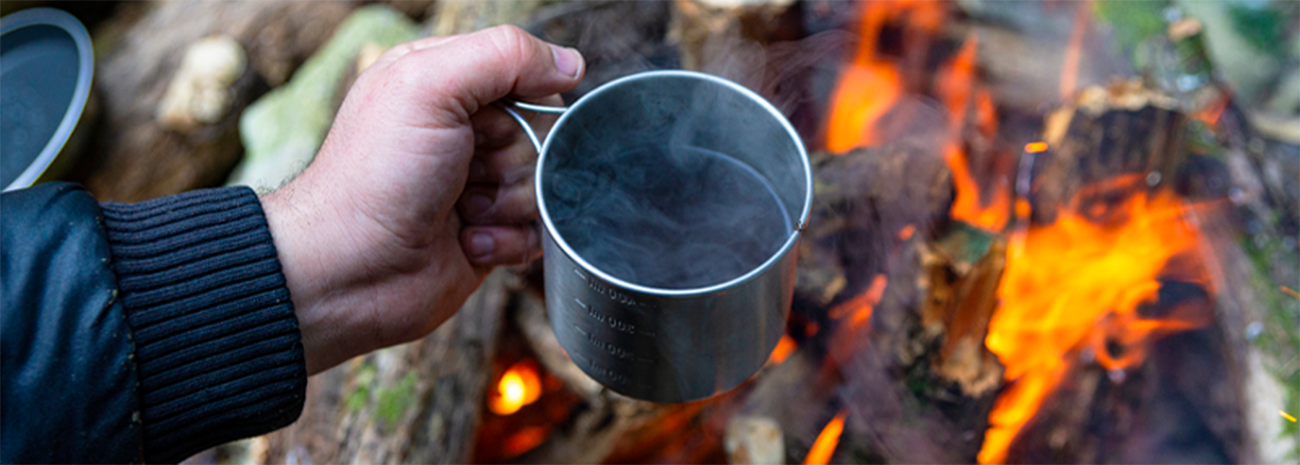
Summer brings long days, open roads, and time spent outdoors. It means camping trips, family visits, quiet mornings in nature, and evenings around the fire. For people who use supplemental oxygen, these moments are just as meaningful, but they do require some extra planning.
Oxygen therapy doesn’t prevent travel or outdoor activities, but summer conditions introduce variables that aren’t always present at home: higher temperatures, open flames, portable power needs, and unfamiliar environments. Understanding how heat, travel, and outdoor settings interact with oxygen equipment can help reduce risk and make summer plans feel more manageable.
This guide shares practical oxygen safety tips for summer travel, with special attention to outdoor and camping situations where routines and surroundings may look very different from home.
Why Summer Safety Looks Different for Oxygen Users
Oxygen itself is not flammable, but it supports combustion. That means materials can ignite faster and burn hotter when oxygen is present. Combine that with summer heat, campfires, grills, camp stoves, and longer hours outdoors, and safety planning becomes especially important.
In addition, warm temperatures can affect both:
- Your comfort
- Your equipment, especially portable oxygen concentrators and batteries
Summer safety is less about restriction and more about awareness. It’s about knowing where risks exist and planning around them.
Plan Ahead Before You Travel
A smoother summer trip often starts well before departure day.
Review Your Oxygen Needs
Before any extended travel — especially camping or remote trips — it’s worth reviewing:
- Your prescribed flow rate
- How long you’ll be away from charging or power sources
- Whether your current equipment fits your travel plans
If you use a portable oxygen concentrator or oxygen tanks, being consciously aware of your expected daily usage helps prevent running low in unexpected places.
Choose Accommodations with Oxygen in Mind
If your trip includes camping or staying in cabins:
- Confirm whether power will be available for equipment that requires an electrical supply
- Identify shaded, well‑ventilated areas for daytime use
- Consider how far you’ll be from medical services in case of emergency
Not every campsite or remote location is ideal for every oxygen setup, but that doesn’t mean that none are. Intentional planning early on can prevent stress later.
Reorder Your Oxygen Supplies Today
Heat Awareness: Protecting Yourself and Your Equipment
Summer travel often means longer periods in the heat, which affects oxygen users in multiple ways.
Heat and Your Body
Warm weather can increase oxygen demand and contribute to:
- Shortness of breath
- Fatigue
- Dehydration
Practical steps include:
- Drinking fluids regularly, even when not thirsty (within your provider’s guidelines)
- Planning outdoor activities earlier in the morning or later in the evening
- Taking frequent rest breaks in shaded or air‑conditioned spaces
Heat and Oxygen Equipment
Portable oxygen equipment contains electronic components that can overheat if exposed to excessive temperatures or direct sunlight.
To reduce risk:
- Keep equipment out of direct sun
- Use devices in shaded, well‑ventilated areas
- Never leave oxygen equipment in a parked vehicle
If your device becomes unusually warm, noisy, or triggers alarms, power it off and allow it to cool before resuming use.
Traveling by Car with Oxygen in Summer
Vehicle travel is common during summer vacations, but parked cars can become dangerously hot.
Key reminders:
- Never leave oxygen equipment in a closed vehicle
- Secure tanks so they don’t roll or fall during transit
- Keep equipment away from direct sunlight inside the car
If your oxygen setup uses batteries, be mindful that heat can reduce battery life and performance.
Outdoor Safety Considerations for Camping With Oxygen
Camping adds unique safety considerations, especially where open flames are involved.
Keep Oxygen Away from Open Flames
Campfires, grills, lanterns, and stoves are common at campsites, and all require extra caution.
Always:
- Keep oxygen equipment at least several feet away from open flames
- Position yourself upwind when sitting near a fire
- If medically appropriate, turn oxygen off before approaching an active flame
Oxygen should never be used near campfires, grills, or smoking materials.
Establish a “No‑Flame Zone”
It’s helpful to create a designated oxygen‑safe area at your campsite. This means an area with:
- No open flames
- No smoking
- No fuel storage
This area can become your go‑to space for resting, sleeping, and equipment storage.
Read More: (Insert link to previous blog post)
Safe Storage During Outdoor Activities
Where and how you store oxygen equipment matters at all times, but it's especially important when you're outdoors.
Use Stable, Upright Placement
Tanks and concentrators should be:
- Set on firm, level surfaces
- Stored upright to prevent tipping
- Protected from dirt, dust, and moisture
Avoid placing equipment directly on sand or loose ground where airflow may be blocked or equipment could shift.
Avoid Enclosed, Hot Spaces
Tents, small cabins, or RVs can heat up quickly during the day. Store oxygen equipment in:
- Shaded areas
- Well‑ventilated spaces
- Temperature‑controlled environments when possible
Power Planning for Portable Oxygen
If you rely on a portable oxygen concentrator, summer trips often mean less predictable access to power.
Battery Preparation
Before leaving:
- Fully charge all batteries
- Bring extras if possible
- Know roughly how long each battery lasts under your prescribed settings
Backup Planning
For camping or remote travel:
- Identify where backup power may be available
- Consider portable charging options if appropriate
- Build in a margin for unexpected delays
Running out of oxygen power shouldn’t be part of the adventure.
Fire and Smoking Safety
Fire risk increases significantly when oxygen is in use.
Important things to remember when you head outside:
- Never smoke while using oxygen
- Ask others not to smoke nearby
- Avoid aerosol sprays, petroleum‑based lotions, or oils while using oxygen
Choose water‑based skincare products and keep flammable items well away from oxygen equipment.
What to Do in an Emergency
Being prepared doesn’t mean expecting problems; it means knowing what to do if something changes.
Seek help if you experience:
- Sudden increased shortness of breath
- Dizziness or confusion
- Equipment malfunctions that interrupt oxygen delivery
When traveling, always make sure you know how to contact emergency services in the area you’ll be staying, where the nearest medical facility in that area is, and how the people you’re traveling with can assist in an emergency to help keep you safe.
A More Comfortable Summer Starts with Preparation
Oxygen therapy doesn’t disappear in summer; it simply shifts contexts. With thoughtful planning, awareness of heat and fire safety, and proper equipment handling, many oxygen users travel, camp, and spend time outdoors comfortably each year.
If you’re preparing for summer travel and have questions about portable oxygen options, battery planning, or equipment safety, CareLinc Medical Equipment & Supply can help you review your setup and plan ahead so you can focus on where you’re going, not what you might be forgetting.
Frequently Asked Questions
Can I camp if I use oxygen?
Yes, many people camp safely while using oxygen. It requires careful planning, attention to power needs, and strict fire safety practices.
Is heat dangerous for oxygen equipment?
High temperatures can affect performance and battery life. Keeping equipment shaded and well‑ventilated is important.
Can I sit near a campfire while using oxygen?
No. Oxygen should not be used near campfires or open flames. Create a flame‑free zone for oxygen use.
How can I protect oxygen equipment while traveling?
Avoid heat exposure, secure equipment during transit, and store it in stable, shaded, well‑ventilated areas.
Should I talk to CareLinc before traveling?
Yes. Reviewing your summer plans with CareLinc can help ensure your oxygen setup fits your travel needs and helps prevent interruptions.
June 1, 2026 by CareLinc Medical Equipment & Supply