
As winter approaches, fall risks can increase both inside and outside the home. Wet shoes, slippery entryways, shorter days, and reduced visibility can all increase the risk of slips, trips, and falls around the home. For older adults, people with mobility challenges, and those recovering from an injury or surgery, even a minor fall can lead to setbacks and longer recovery times.
The good news is that fall prevention at home doesn't always require major renovations. A few simple upgrades can improve safety, reduce the risk of falls, and help you stay independent throughout the winter months. Some of these upgrades may even be covered by your insurance if you have the proper documentation. By identifying potential hazards now, you can create a safer, more comfortable living environment.
Quick Navigation
- Why Fall Prevention Matters Before Winter
- Bathroom Safety Upgrades
- Improve Lighting Throughout the Home
- Remove Common Trip Hazards
- Mobility Aids That Add Stability
- Winter Fall Prevention Tips for Entryways and Stairs
- When to Consider Additional Home Modifications
- Winter-Specific Hazard Checklist
- FAQs
Why Fall Prevention Matters Before Winter
Winter often introduces additional challenges for maintaining balance and mobility. Snow, ice, wet footwear, and reduced daylight can increase the likelihood of slipping or tripping. Indoor hazards that may seem minor during other seasons can become dangerous when combined with winter conditions.
The best way to prevent falls is to identify potential hazards before an accident happens. Taking these steps can help individuals stay active, maintain confidence, and move more safely throughout their homes during the colder months.
Common benefits of fall prevention for seniors include:
- Reduced risk of injuries and hospital visits
- Greater confidence when moving around the home
- Improved independence
- Better accessibility and comfort
- Peace of mind for family members and caregivers
Bathroom Safety Upgrades That Help Reduce Falls
Bathrooms are one of the most common locations for household falls because water can create slippery surfaces, and many daily activities require standing, turning, and transferring between positions. Fortunately, there are several improvements that can help create a safer bathroom environment.
Install Grab Bars
Grab bars for seniors provide secure support when entering or exiting a shower, stepping over a tub wall, or standing from a seated position. These can either be suction-style or installed into the shower or wall, depending on the product and application. Grab bars placed near toilets, showers, and tubs can provide extra support and improve stability.
Consider a Shower Chair
Shower chairs and transfer benches allow users to sit safely while bathing, reducing fatigue, and minimizing the risk of slips. They can be especially helpful for individuals with balance concerns, limited strength, or recovery-related mobility challenges.
Use Raised Toilet Seats
Standing from a low toilet can become difficult with age or after surgery. Raised toilet seats and toilet safety frames reduce the distance needed to sit and stand, making the process safer and more comfortable.
Add Non-Slip Surfaces
Rubber-backed bath mats, non-slip shower mats, and slip-resistant flooring can help improve traction in wet areas. Even simple upgrades can make a noticeable difference in preventing falls at home.
Handheld Shower Head
A handheld shower head can make bathing safer and more convenient by allowing users to direct water where it is needed without excessive reaching, twisting, or turning. When used with a shower chair, a handheld shower can help individuals maintain a comfortable seated position while bathing. This simple upgrade can support independence and reduce the risk of slips and loss of balance in the shower.
Additional Equipment
Individual commodes can be another great option for individuals who need more options around the home. These can be placed in any room in the home, if needed. For individuals who need an additional layer of monitoring, there are also options like bed or chair alarms, lift alerts, and many others. Contact the team at CareLinc today to discuss your situations and what options may be available for you.
Improve Lighting Throughout the Home
One of the easiest home safety tips is improving visibility. Proper lighting can make it easier to navigate hallways, staircases, entryways, and bathrooms safely. Motion-sensor lights and brighter bulbs can help improve visibility while reducing fall risks.
Hallways
Ensure hallways are well-lit and free of dark corners. Consider brighter bulbs or additional lighting where visibility is limited.
Bedrooms
Many falls happen while getting into or out of bed at night. Bedside lamps, touch-activated lights, or motion-sensor lighting can help make nighttime trips to the bathroom safer.
Stairways
Every staircase should be well lit from top to bottom. Light switches should be easily accessible at both ends, when possible.
Entryways
Entrances often become busier during winter as coats, boots, and bags are brought inside. Good lighting makes it easier to spot obstacles and move around them safely.
Remove Common Trip Hazards Before They Cause a Fall
Loose rugs, extension cords, clutter, uneven flooring, poor lighting, and slippery surfaces are among the most common causes of household falls.
Many fall hazards go unnoticed because people become accustomed to them over time. However, making these changes can help reduce fall risks right away.
Secure or Remove Area Rugs
Loose rugs can slide unexpectedly or create edges that catch a person's foot. Remove unsecured rugs or use non-slip backing to hold them firmly in place.
Relocate Extension Cords
Extension cords stretched across walkways can create significant tripping hazards. Whenever possible, move cords away from traffic areas or secure them against walls.
Reduce Clutter
Boxes, shoes, bags, and household items left in walkways can become unexpected obstacles. Keeping pathways clear improves mobility and reduces risks.
Address Uneven Walkways
Inspect both indoor and outdoor walking surfaces for cracks, raised edges, or uneven transitions. Even minor repairs can make surfaces safer and easier to navigate.
Mobility Aids That Add Stability and Confidence
For many individuals, mobility aids for seniors provide valuable support while navigating daily activities. The right mobility aid can improve balance, boost confidence, and lower the risk of falls.
Walkers
Walkers offer stability for individuals who need additional support while walking. They may be especially beneficial after surgery, illness, or injury. It is important that the walker fits not only the user, but the space it will be used in. Ensure that your walker has been properly fitted and will allow navigation through doorways and pathways.
Rollators
Rollators feature wheels, brakes, and a built-in seat. They can provide support while allowing for more natural movement and convenient resting opportunities.
Canes
Canes can help improve balance and stability for individuals with mild mobility concerns. Selecting the correct cane and adjusting it properly is important for safe use. All-terrain tips are available to help users navigate through all weather conditions and environments.
Additional Equipment
If none of these options feel appropriate for your or your loved ones situations, there are many other mobility aids available, including power wheelchairs, scooters, manual wheelchairs, and transport chairs. Talk to your healthcare team and the experts at CareLinc to come up with the option that works best for your situation.
When Professional Guidance May Help
Professional guidance can help ensure equipment is properly fitted and adjusted for both safety and comfort.
Winter Fall Prevention Tips for Entryways and Stairs
Winter weather increases fall risks by creating slippery surfaces, tracking water indoors, limiting visibility, and increasing clutter from seasonal clothing and footwear. Entryways and staircases may need to be evaluated before winter.
Manage Wet Footwear
Snow, slush, and rain can quickly create slippery indoor surfaces. Place mats near entrances and encourage footwear to be removed promptly when entering the home.
Check Handrails
Secure handrails on all stairways help provide stability and support. If handrails are loose or damaged, repairs should be completed before winter arrives.
Improve Outdoor Lighting
With fewer daylight hours during winter, it can be difficult to see steps, walkways, and uneven surfaces. Proper outdoor lighting can help improve visibility and safety.
Prepare for Ice and Snow
Snow, ice, and slush should be removed from walkways and entrances as soon as possible. Regular maintenance can help improve safety and prevent winter-related falls.
When to Consider Additional Home Modifications
For individuals with ongoing mobility concerns, additional home modifications may help create a safer and more accessible living environment. These improvements can be particularly beneficial for those who plan to remain in their homes for the long term.
Stair Lifts
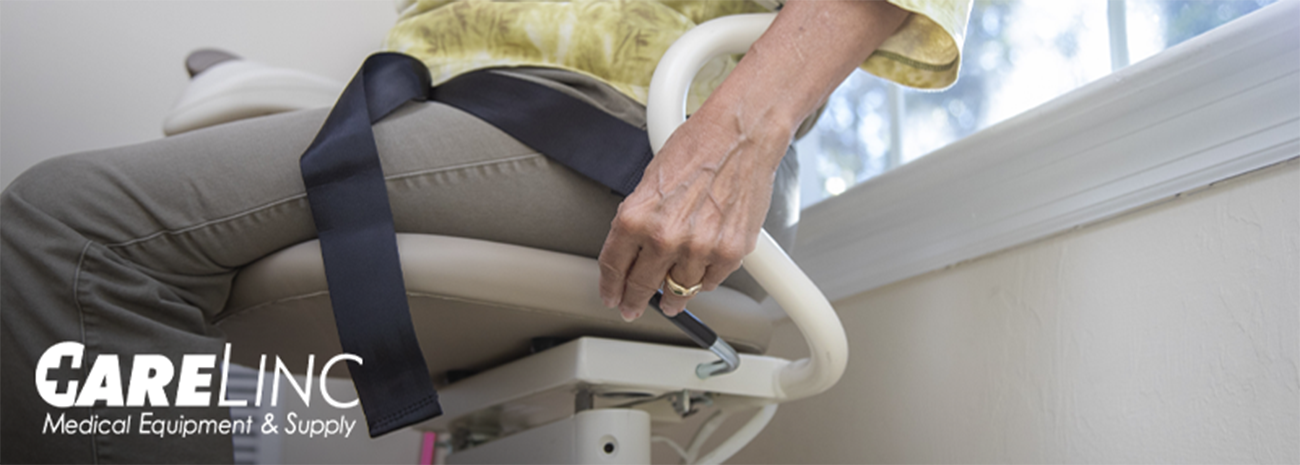
For homes with multiple levels, stair lifts can reduce the physical demands and risks associated with climbing stairs.
Lift Chairs
Lift chairs are motorized recliners that tilt forward, helping individuals safely and comfortably move from a sitting position to standing, reducing fall risk.
Accessibility Improvements
Accessibility upgrades can include widened doorways, threshold ramps (either temporary or permanent), improved bathroom accessibility, and other changes designed to support mobility and independence.
Aging-in-Place Planning
Planning for future mobility and accessibility needs can help reduce risks and support safe, independent living.
Winter-Specific Hazard Checklist
- Winter Fall Prevention Checklist
- Install non-slip mats at all entrances
- Test indoor and outdoor lighting
- Replace burned-out bulbs
- Clear walkways of clutter
- Secure loose rugs
- Check handrails and stair treads
- Keep ice melt available near entrances
- Schedule mobility equipment evaluations if needed
Helping Loved Ones Stay Safe This Winter
Adult children and family caregivers often notice fall risks that their loved ones may overlook. Taking a walk through the home together can reveal opportunities for simple improvements.
Look for areas with poor lighting, cluttered walkways, slippery surfaces, or rooms that may benefit from added support equipment. Small changes often provide meaningful safety benefits.
By addressing potential hazards before winter weather arrives, families can help create a safer home environment.
Find the Right Safety Solutions for Your Home
Preparing your home before winter can help reduce fall risks and support safer, more independent living. Whether you need bathroom safety equipment, mobility aids, or accessibility solutions, our team can help you find products that fit your needs and lifestyle.
Contact CareLinc Medical Equipment & Supply today to learn more about mobility aids, bathroom safety equipment, and accessibility solutions designed to support safer living at home.
Frequently Asked Questions
What are the most common causes of falls at home?
Common causes include loose rugs, poor lighting, cluttered walkways, slippery surfaces, uneven flooring, and mobility limitations.
Do grab bars really help prevent falls?
Yes. Properly installed grab bars provide stable support during transfers and movement, particularly in bathrooms where surfaces can become slippery.
What mobility aid is best for preventing falls?
The best mobility aid depends on an individual's needs. Canes, walkers, and rollators all provide different levels of support and should be selected based on mobility and balance requirements.
How can I make my bathroom safer?
Installing grab bars, using a shower chair, adding non-slip mats, and considering a raised toilet seat are among the most effective bathroom safety upgrades.
What home modifications help seniors age in place?
Common modifications include stair lifts, accessibility ramps, grab bars, widened pathways, improved lighting, and bathroom accessibility upgrades.
When should someone consider using a walker?
A walker may be appropriate when balance issues, weakness, surgery recovery, or frequent loss of stability make walking more challenging.
How can winter weather increase fall risks?
Winter weather can create slippery surfaces, bring moisture indoors, reduce visibility due to shorter days, and increase obstacles around entryways.
September 1, 2026 by CareLinc Medical Equipment & Supply