
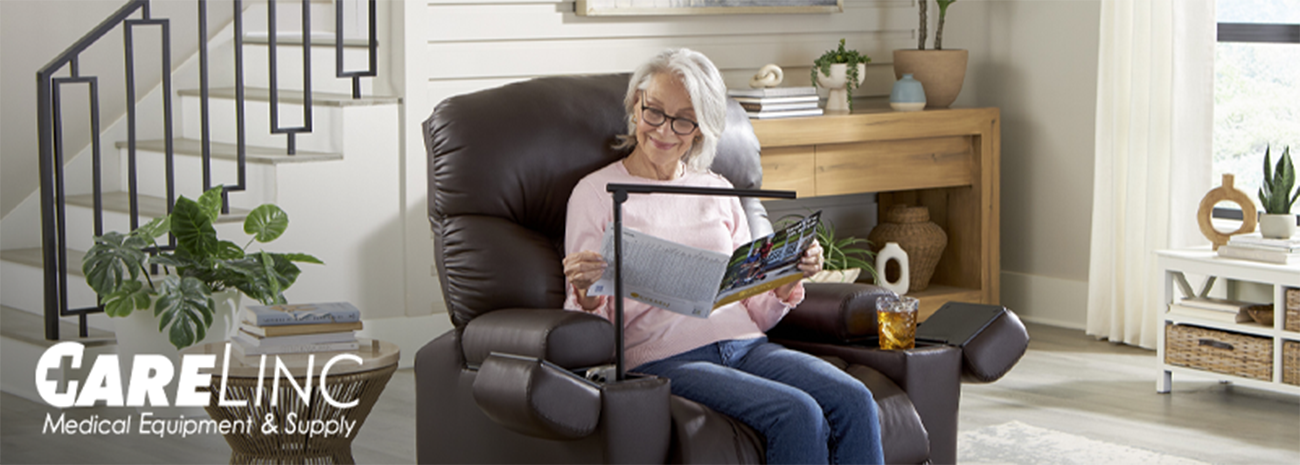
For many older adults, their homes are filled with memories, routines, and a sense of comfort. As people age, many want to continue living in the environment they have grown used to for as long as possible. This approach, known as aging in place, allows seniors to maintain independence while staying connected to their communities.
While aging at home offers many benefits, it can also present challenges. Changes in mobility, balance, and strength can make everyday tasks more difficult and increase the risk of falls. Fortunately, the right equipment can help create a safer environment while supporting confidence and independence.
At Carelinc Medical Equipment and Supply, we help individuals and families find practical solutions that make everyday life easier and safer at home.
Quick Navigation
- What Is Aging in Place?
- Why Equipment Plays an Important Role
- Mobility Aids That Support Independence
- Bathroom Safety Equipment for Everyday Confidence
- Accessibility Solutions for Long-Term Safety
- When to Consider Home Modifications
- How Caregivers Can Help
- FAQs
What Does Aging in Place Mean?
Aging in place means living safely, independently, and comfortably in your own home for as long as possible, regardless of age or ability level.
Rather than moving to an assisted living facility or nursing home, many older adults choose to remain in their homes with the help of supportive equipment, home modifications, and caregiving assistance.
Aging in place looks different for everyone. Some individuals only need minor adjustments like lightweight reachers, Big Grip utensil sets, Hi-Lo scoop plates, Med-E-Lert timers and organizers with alarms, or MultiPro wheelchair and bed alarm systems. Others may benefit from mobility aids, bathroom safety products, or accessibility equipment.
With proper planning and the right resources, aging in place can be a realistic and rewarding option for many seniors and their families.
Why the Right Equipment Matters for Aging in Place Safely
The right equipment does more than help address physical limitations. It helps encourage independence and allows older adults to continue performing daily activities with confidence.
Supports Independence
Equipment such as walkers, rollators, power scooters, and lift chairs can make everyday activities like moving around the home, standing from a chair, and completing daily routines easier and safer.
Builds Confidence
When individuals feel safe in their environment, they are often more willing to stay active and take part in daily activities. Equipment that provides support and stability can help reduce concerns about mobility and make moving around easier and more comfortable.
Helps Prevent Falls
Falls are a major safety concern for older adults. Many happen during everyday activities like getting out of bed, using the bathroom, or going up and down stairs. The right equipment can help improve safety and reduce the risk of falls.
Improves Everyday Convenience
Simple accessibility solutions can make daily activities easier and less physically demanding.
For seniors who wish to remain independent at home, the right aging-in-place equipment can help make daily activities safer, easier, and more comfortable.
Mobility Aids That Help Seniors Stay Independent
Mobility challenges do not automatically mean giving up independence. The right mobility device can provide stability, improve confidence, and reduce the risk of falls.
Walkers
Walkers offer greater stability for individuals with balance concerns and can make moving around the home safer and more comfortable.
Rollators
Equipment such as walkers, rollators, and lift chairs can make everyday activities like moving around the home, standing from a chair, and completing daily routines easier and safer.
Wheelchairs
Wheelchairs can help individuals maintain mobility when walking long distances becomes difficult. Whether used temporarily or long term, wheelchairs can improve access to activities both inside and outside the home.
Mobility Scooters
For seniors who want to continue participating in community activities, shopping trips, or social events, mobility scooters can provide a safe, comfortable, and convenient way to maintain independence and get around more easily.
Choosing the right mobility aids for seniors depends on individual needs, physical abilities, and daily activities. We can help identify solutions that support both comfort and independence.
Bathroom Safety Equipment That Reduces Fall Risks
Bathrooms are often one of the first areas evaluated when improving home safety for seniors. Wet surfaces and limited space create conditions where falls are more likely to occur.
Several bathroom safety products can help make daily routines safer and more comfortable.
Grab Bars
Grab bars provide stable support when entering and exiting a shower, using the toilet, or moving around the bathroom.
Shower Chairs
Shower chairs allow individuals to bathe while seated, reducing fatigue and lowering the risk of slips and falls.
Raised Toilet Seats
Raised toilet seats reduce the distance required when sitting down and standing up. This added height can make bathroom use easier for individuals with limited mobility.
Toilet Safety Rails
Toilet safety rails provide sturdy handholds that make sitting and standing easier. Installed around the toilet, they offer extra support for individuals with limited strength, balance concerns, or mobility challenges. Toilet safety rails can improve stability and help reduce the risk of falls during a common daily activity.
Non-Slip Solutions
Simple additions such as non-slip mats, textured surfaces, and improved bathroom flooring can help reduce hazards and create a safer environment.
These bathroom safety products can support independence while helping seniors continue managing personal care tasks with confidence.
Accessibility Solutions That Make Daily Life Easier
As mobility needs change, accessibility equipment can help seniors maintain their independence and continue living safely and comfortably at home.
Stair Lifts
Stairs can become one of the most challenging obstacles in a home. Stair lifts provide a safe and reliable way to access multiple levels without the risk associated with climbing stairs.
Lift Chairs
Lift chairs use powered mechanisms to help individuals transition from sitting to standing. This support can be beneficial for people experiencing reduced strength, balance concerns, or joint pain.
Home Accessibility Equipment
Additional accessibility equipment may include transfer aids, ramps, handrails, and other devices designed to make daily movement safer and easier.
Entryway Improvements
Entryways often contain steps, uneven surfaces, or narrow access points. Modifications such as ramps, railings, and improved pathways can make entering and exiting the home safer for individuals using mobility devices.
These aging-in-place solutions help create a safer home environment that supports independence and adapts to changing mobility needs.
When to Consider Home Modifications for Seniors
While equipment can address many challenges, there are times when broader home modifications may provide additional benefits.
Signs Additional Support May Be Helpful
You may want to consider modifications if:
- Frequent stumbles or near falls are occurring
- Stairs are becoming difficult to navigate
- Standing from seated positions is increasingly challenging
- Bathroom transfers feel unsafe
- Mobility devices are difficult to maneuver through the home
- Daily tasks require increasing levels of assistance
Planning Ahead Matters
One of the best ways to age in place safely is to address concerns before they become emergencies. Making improvements before challenges become urgent allows seniors and families to make informed decisions rather than reacting to a crisis.
Thinking Long Term
Aging in place is most successful when approached with long-term planning. Evaluating future needs can help create a home that remains safe, accessible, and comfortable over time.
Whether the changes are minor or more extensive, planning ahead can help seniors maintain their independence and continue living safely at home.
How Family Caregivers Can Support Aging in Place
Family caregivers play an important role in helping older adults remain safe and independent.
One of the best places to start is by paying attention to daily routines and identifying tasks that may be becoming more difficult. A senior who struggles in the bathroom, avoids stairs, or hesitates while walking may benefit from additional support or equipment.
Caregivers can also help by:
- Encouraging open conversations about safety concerns
- Identifying potential fall hazards throughout the home
- Researching mobility and accessibility solutions
- Assisting with equipment selection and setup
- Supporting routine maintenance and equipment replacement when needed
It's important to remember that aging in place is not about reducing independence. Instead, it's about providing the tools and support needed to maintain it. The right equipment often allows older adults to have greater control over their daily lives while improving overall safety.
Find the Right Aging in Place Solutions for Your Home
Aging in place starts with creating a home that supports safety, comfort, and independence. Whether you're looking for mobility aids, bathroom safety equipment, lift chairs, stair lifts, or accessibility solutions, our team can help you find products that fit your needs today and as those needs change over time.
At CareLinc Medical Equipment & Supply, we work closely with seniors, caregivers, and family members to identify equipment that supports safety, comfort, and independence. Need additional support? Reach out to a local agency on aging. These are nonprofit organizations designated by the state to support the needs and concerns of aging populations at the local and regional levels.
Frequently Asked Questions
What does aging in place mean?
Aging in place means living safely and independently in your own home as you grow older, rather than moving to a care facility.
What are the benefits of aging in place?
Aging in place allows older adults to remain in a familiar environment while maintaining independence, routines, and connections with family, friends, and their community.
What equipment is most helpful for aging in place?
Common equipment includes walkers, rollators, wheelchairs, mobility scooters, grab bars, shower chairs, raised toilet seats, stair lifts, and lift chairs.
How can mobility aids improve independence?
Mobility aids provide stability and support, helping individuals move safely around their homes and communities while reducing fall risks.
What home modifications help seniors stay safe?
Popular home modifications include ramps, stair lifts, grab bars, improved lighting, widened doorways, and entryway accessibility improvements.
How can caregivers support aging in place?
Caregivers can help identify safety concerns, recommend equipment, remove hazards, and assist with planning for changing mobility needs.
When should someone consider a stair lift?
A stair lift may be worth considering when climbing stairs becomes painful, difficult, or unsafe due to mobility limitations, balance concerns, or reduced strength.
What bathroom safety products are recommended for seniors?
Grab bars, shower chairs, raised toilet seats, and non-slip surfaces are among the most recommended bathroom safety products for older adults.
September 1, 2026 by CareLinc Medical Equipment & Supply